Pískacie Visiting: For Children with Cancer, n.o.
Over the past year, Pískacie established a nice and interesting collaboration with the non-profit organization Children with Cancer. The total profit from the sold t-shirts was donated to the foundation. We spoke about their activities and the use of resources with the director of the NPO Katarína Bagľašová and Lukáš Kuppé, whom we met in the renovated premises of the pediatric hematology and oncology department at the University Hospital in Kramáre.

What is the role and main activity of your organization?
L and K: At our Pediatric Oncology Clinic, patients with cancer are treated with exactly the same chemotherapy as in developed countries like Germany, Austria, Switzerland, Italy, or Australia. Given the significantly weakened and fragile immunity of patients during cytostatic treatment, and to make the treatment more successful and increase the number of cured patients, it is absolutely essential to create an adequately modern and safe environment that meets strict hygiene standards.
This is our vision. To help in every possible way. We aim to contribute to the innovation of pediatric oncology in Slovakia so that our children are treated under conditions standard for developed EU countries, thereby improving their conditions and chances of recovery.
Our four main pillars include staff education in communication. Last year, we had training focused on respectful communication, and this year it will be ethics on the ward. If a positive atmosphere is established in our teams, it will positively affect our patients and their families.
The second pillar is psychological and material support for families. Our department becomes a second home for families for a certain period, and we want this home on the ward to be fully equipped. Therefore, we provide families with diapers, laundry detergents, disinfectants, kitchen equipment—everything they need to make their situation easier and bring as little as possible to the hospital.

L: The third pillar is awareness. We attend festivals and communicate to the public how treatment proceeds and what families go through. What types of diagnoses exist and their success rates. We also communicate that the numbers are not as bad as the public perceives when hearing words like 'cancer' or 'leukemia'.
K: We do not want the topic of pediatric cancer to be taboo; on the contrary, we want to speak about it openly and publicly so that people are not afraid of it. Of course, it is always and will always be shocking.
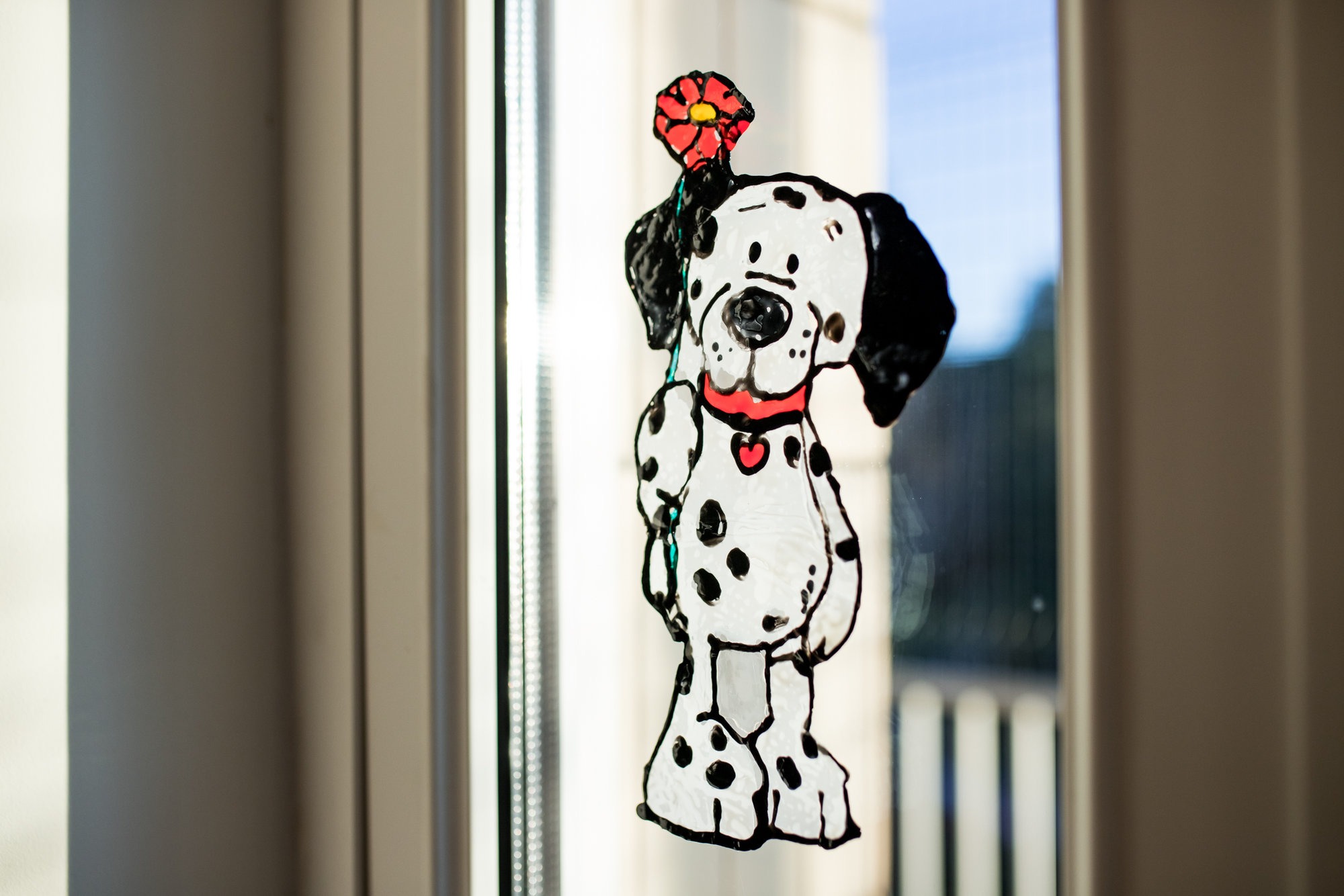
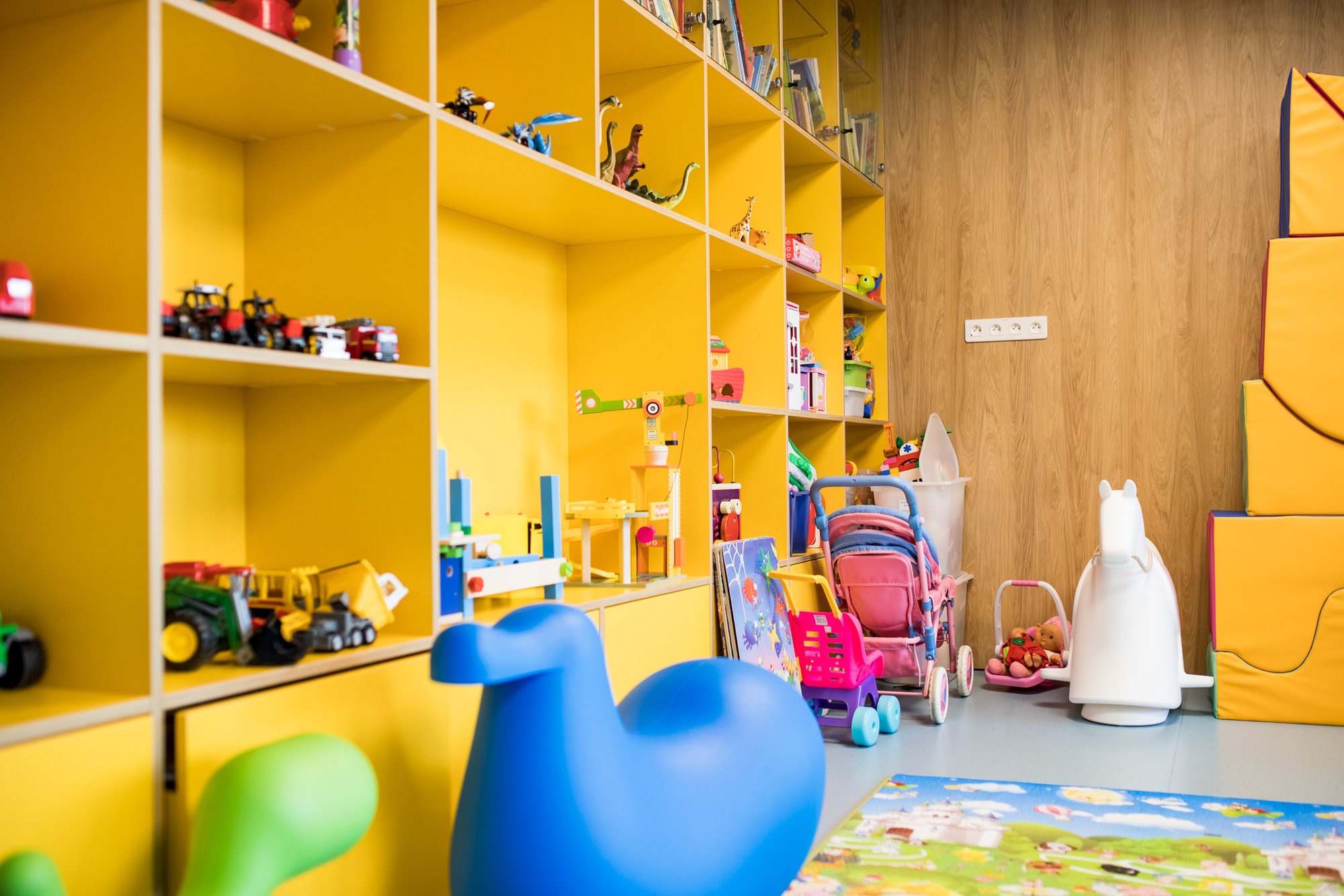
The fourth important pillar is modernization of spaces. We started by establishing the Day Clinic, which handles outpatient chemotherapy, one-day procedures, and check-ups. Thanks to the Day Clinic, patients in good condition after chemotherapy do not need hospitalization and spend more time at home with their family. We also renovated the common room for school-aged patients, and this year we opened the modernized section of the inpatient ward for children up to 6 years old. New air ventilation has been installed, which is essential to ensure a high-quality air-cleaning environment, vitally important for children and their treatment.


How many people are behind this?
K: Currently, we have four employees. I am the director. We have Nicol, who manages social media, Katka, who handles communication on the ward and material support for families and organizes regular meetings with parents or programs on the ward. The fourth is Dáša, the relationship manager. She mainly looks after the ward staff but practically helps with everything.
However, there are many more people behind this, maybe not visible, but each has their area of expertise and helps as much as they can.
L: My role cannot be fully categorized. It involves fundraising, project management, and public communication.

How did the collaboration and connection between Pískacie, your foundation, and Martinus come about?
L: When I joined the non-profit, I mentioned a few things I would like to do differently and where I saw certain gaps. One of them was public awareness about the non-profit, and we were thinking about how to communicate some things better, how to improve marketing. We decided to create merchandise, and one of the ideas was Pískacie. We put it aside for a while, but during communication with Media, the idea of connecting Pískacie directly with the non-profit came up.
Children love Pískacie t-shirts, and when they squeak, it makes adults happy too. We all agreed to try it and decided to contact Pískacie. The whole process took a long time, communicating the creation of the new squeaker. The collaboration started around mid-February 2019, and when we pushed on social media, orders suddenly exceeded expectations, and they were ready to deliver. It was a pressure on Pískacie, but we tried to communicate it properly, and I think people understood, as it was for a good cause. In the end, it resulted in an amazing response from people. We dressed almost the entire Pohoda Festival in the striped Pískacie t-shirts, and overall, the project was amazing.

The connection between Martinus and the non-profit began back in 2018, when they carried out the Read Summer project with the Petržalka library. They regularly came one day a week and read from books, which also filled our library. When the collaboration with Pískacie happened, I communicated with Martinus management. They liked the project very much, so they did not hesitate to support it and included the t-shirts for sale.
What did the project with Pískacie bring you?
L: The main benefit was how people began to perceive us. It was important to talk to them and show exactly whom and what they supported.
Another benefit is that a significant sum was raised, more than we initially expected. It worked really well because Pískacie is a love brand.
K: The beautiful thing was seeing that people want to help. Often they may not even know how, but when we gave them the opportunity to buy a t-shirt and support us, they gladly did so.
For what purposes will the raised funds be used?
K: What we hope to achieve in the next month or two is a conference room. This room is mostly used by doctors, nurses, other medical staff, or parents of hospitalized children. It is mainly for medical consultations, tumor boards, and second opinion consultations with foreign doctors. The aim of these meetings is to ensure that each child, regardless of circumstances, has access to the best possible care and treatment, with consultations from leading experts in Slovakia and worldwide. We mainly need to set up teleconferencing equipment, where consultations are displayed and patients can be discussed mutually.

What are your future plans? How can people get involved and help?
In the near future, we will run a campaign for 2% tax donations. We are preparing a summary of how much has been invested in the department and children since the NPO started. Currently, it amounts to 1,500,000 euros, and these are strictly monetary donations. This does not yet include when someone donates a specific item, materials, toiletries, electronics, or toys. That amount is therefore much higher. That is one form of help, but we are very happy when people help in any way they can, with what they have.
L: Often, simple human connections are enough for us to get specific help. There are many ways: in the summer someone brings ice creams, someone brings a birthday cake for patients. Whoever wants to help can do so regardless of whether it is financial or human resources.
This is a good example of Pískacie t-shirts or Martinus. When a company helps with what it has and what is its focus. This is exactly how we prefer it.
K: A very important aspect for us is also zero-waste practices. It is an opinion we try to communicate to our donors as well. We treat children and return them to life. We want to help the environment too, so that everyone lives healthily.
We try to progress step by step, according to current possibilities and needs. We have been operating since December 2015, and during that time we have completed many wonderful projects, mainly thanks to people who support us either regularly or occasionally. And for that, we sincerely thank everyone.
Text: Martina Ráczová, Photo: Dávid Hanko